
Research
-
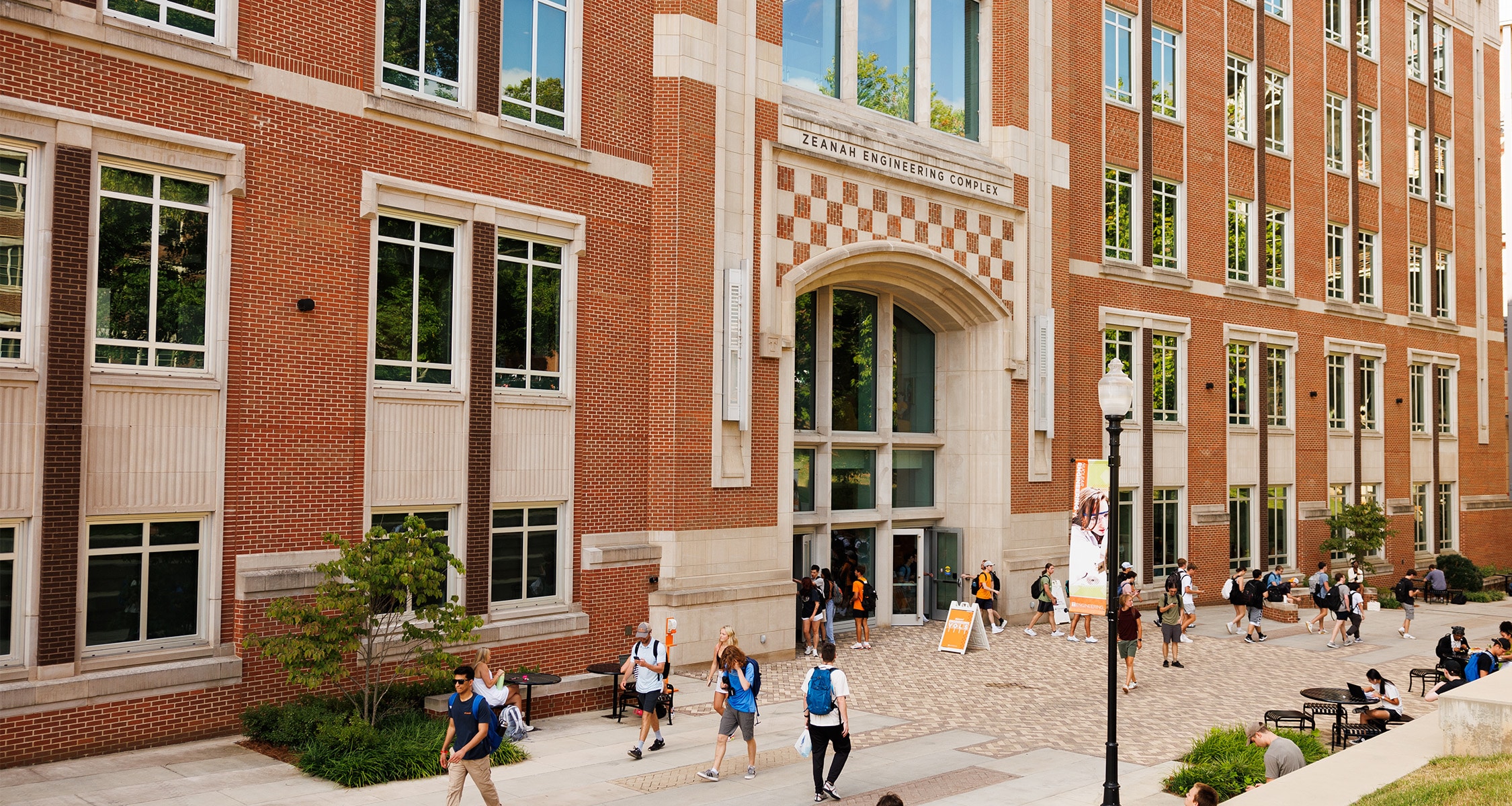
Popovs and Ivanov Receive R&D 100 Award Recognition
Nuclear Engineering Associate Professor Ilja Popovs and Assistant Professor Alex Ivanov were both involved in projects that received a prestigious 2026 R&D 100 Award.
-
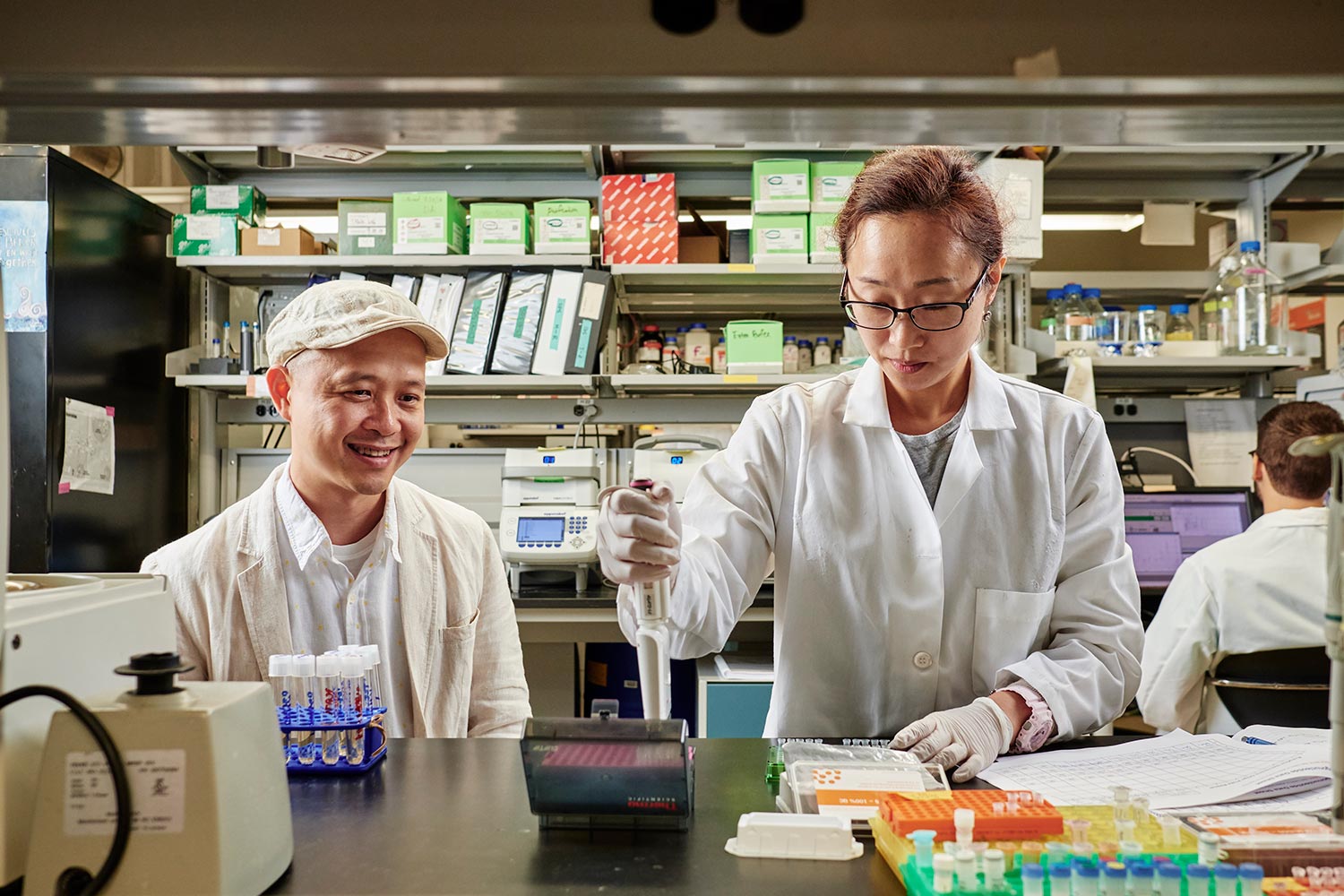
Deleting Yeast DNA to Save Lives
Professor Cong Trinh and Assistant Professor Seunghyun Ryu will refine their fungal gene-editing platform to help treat deadly yeast infections and expand biomanufacturing.
-

UT Secures $20M NSF Grant to Pioneer Breakthroughs in Automated Materials Discovery
UT has been awarded $20 million from the NSF to establish ATHENA, one of 20 research centers that will be part of a network of AI-powered labs.
-

Early Career Momentum
Tickle College of Engineering Assistant Professors Sai Swaminathan and Ahmedullah Aziz have received Faculty Early Career Development (CAREER) Awards from the National Science Foundation.
-
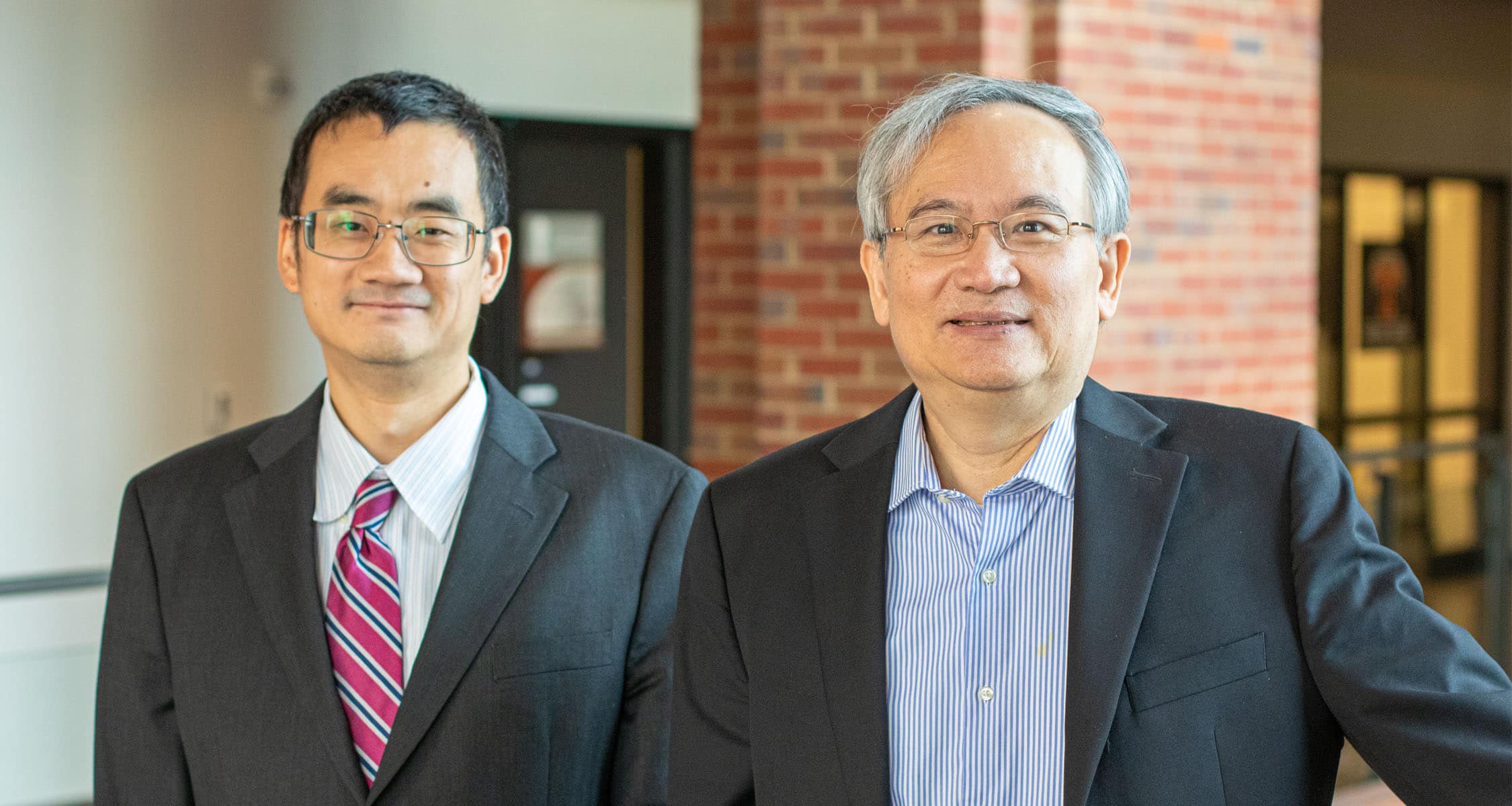
AI Advancing Next-Generation Forecasts
Professor Joshua Fu and Associate Professor Jia Xing are helping NVIDIA integrate atmospheric composition into its Earth-2 AI foundation model ecosystem to improve the accuracy of weather prediction.
-

Liu Wins Prestigious R&D 100 Award for Seventh Time
For the sixth time in the last seven years and seventh time overall, UT-ORNL Governor’s Chair Professor for Power Grids Yilu Liu has won a prestigious R&D 100 Award.
-

UT Joins Collaborative Initiative to Advance Nuclear Manufacturing, Construction, and Workforce Development in East Tennessee
UT is part of the Nuclear Center for Advanced Manufacturing and Precast, an initiative focused on advancing new manufacturing and construction methods and developing vocational training to support the deployment of advanced nuclear reactors.
-

Mobley Named New Director of Safety for TCE
Sarah Mobley, a senior lecturer in the Department of Civil and Environmental Engineering, has been named the new director of safety for the Tickle College of Engineering. Mobley replaces Bill Dunne, who is retiring at the end of the fall 2026 semester.
-
IRES Students Improve Food Innovation, Sustainability, and Safety
Professor Michael Danquah leads an international team that is mentoring UT students while developing advanced technologies to improve food innovation, safety, and sustainability.
-

TCE Alumni Selected for 2026 Innovation Crossroads Cohort
Three Tickle College of Engineering alumni have been selected for the 2026 cohort of Innovation Crossroads, a DOE program based at ORNL.