
Research
-

TCE Honored at Lab Safety Culture Awards
The Tickle College of Engineering was well represented at this year’s Laboratory Safety Culture Awards Dinner.
-
UT Partners With Roane State and Tennessee College of Applied Technology To Develop a Nuclear Workforce Pipeline
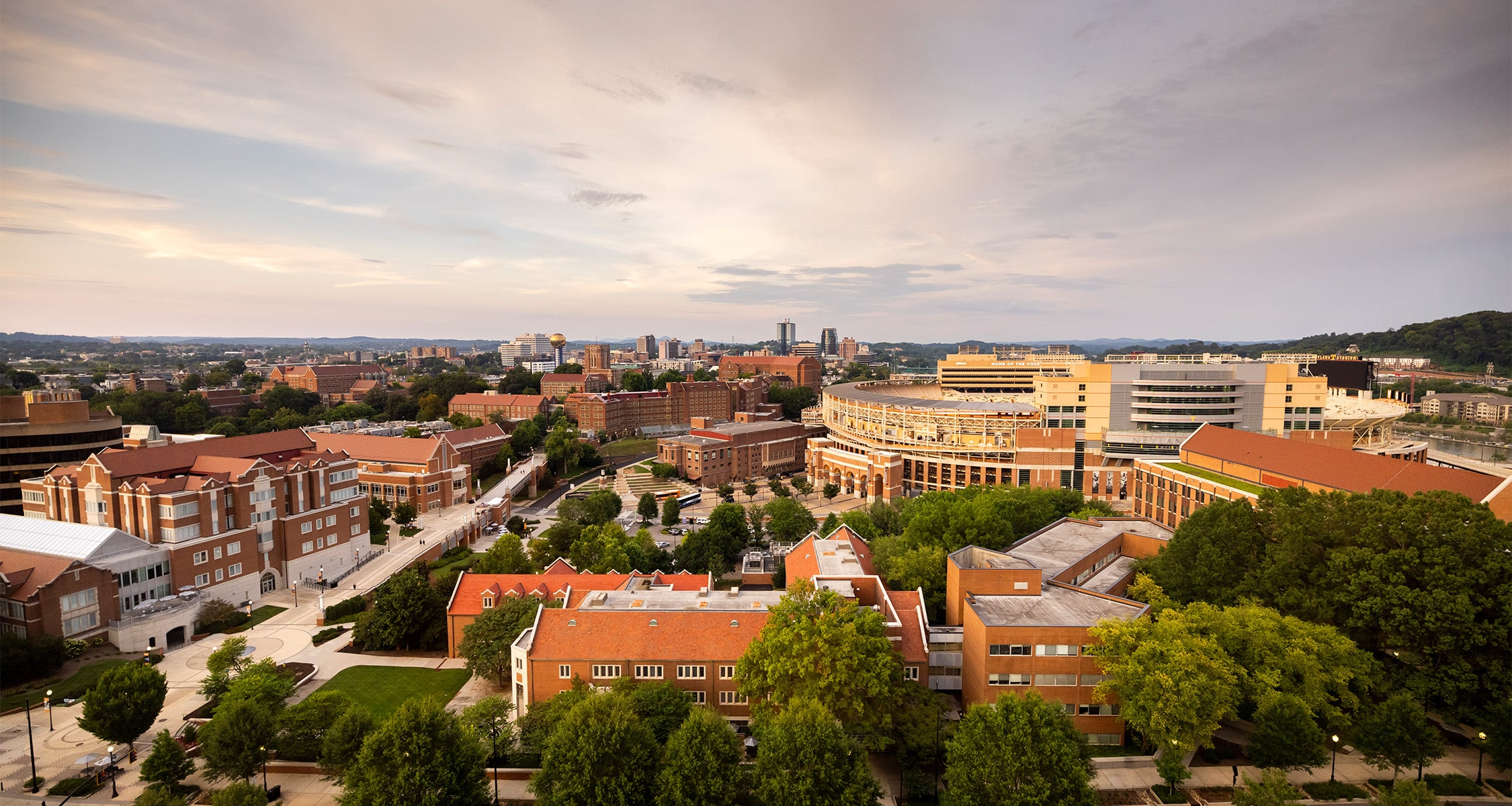
UT is partnering with Roane State Communicty College and TCAT to provide students with nuclear technology training to create a skilled workforce.
-
Accelerated Discovery
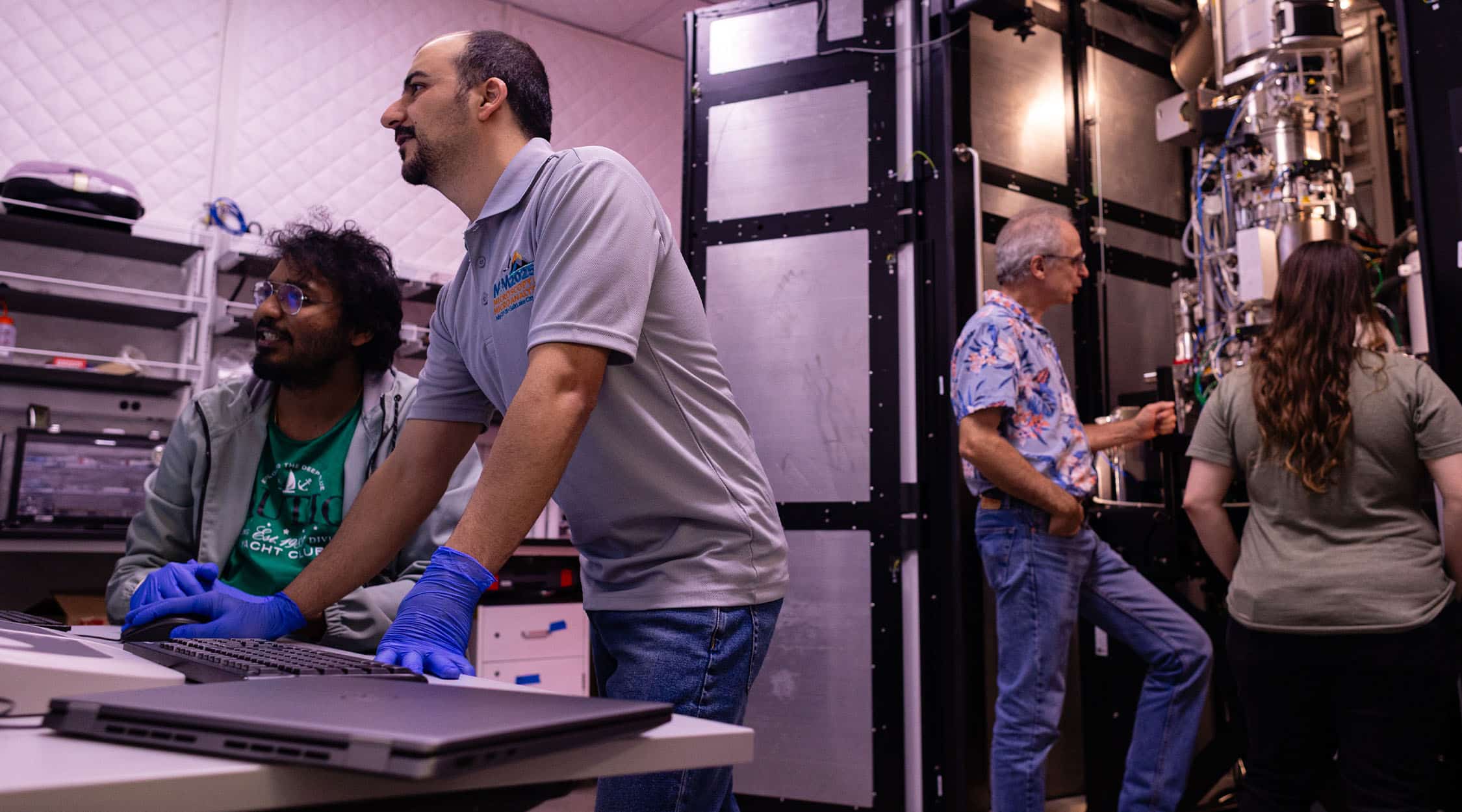
Led by the Department of Materials Science and Engineering, UT is at the forefront of using machine-learning in the materials discovery process.
-

Tackling Injuries with AI
Assistant Professor Hector Santos-Villalobos is leading a team of researchers and students to help develop AI-driven performance analytics for the UT football team to try and reduce player injuries.
-
Brown Combines Nuclear Waste Disposal with Mobile Energy Generation
Partnering with Stony Brook University, Nick Brown found using reactor waste as microreactor fuel reduces long-term waste storage while reducing energy costs.
-
Students Gain Valuable Food Research Experience in New Zealand
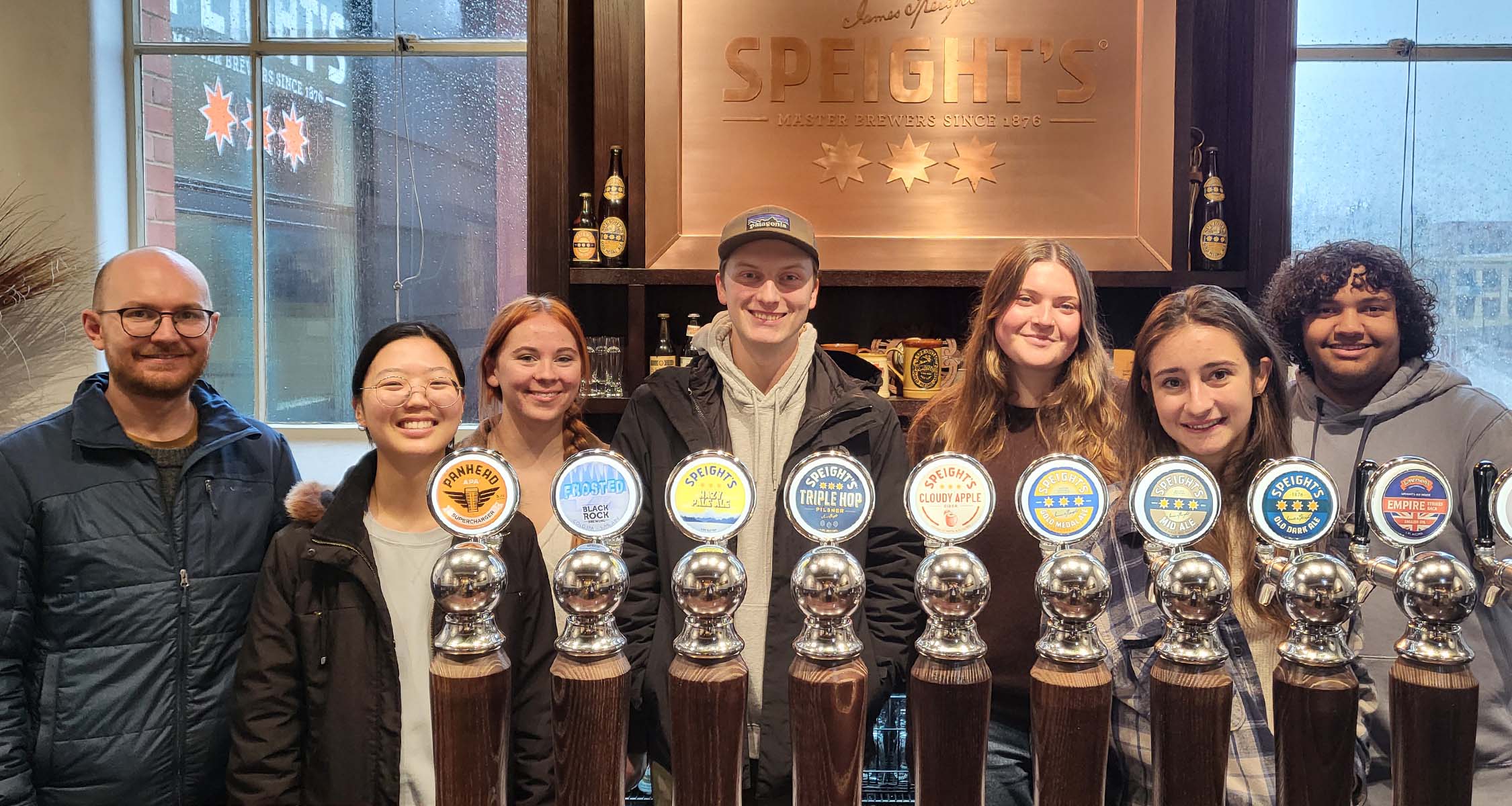
Six engineering students traveled to New Zealand for eight weeks over the summer to learn about food innovation and sustainability through the IRES program. They have continued their research at UT.
-
CHAMP Welcomes Researchers with Open Arms
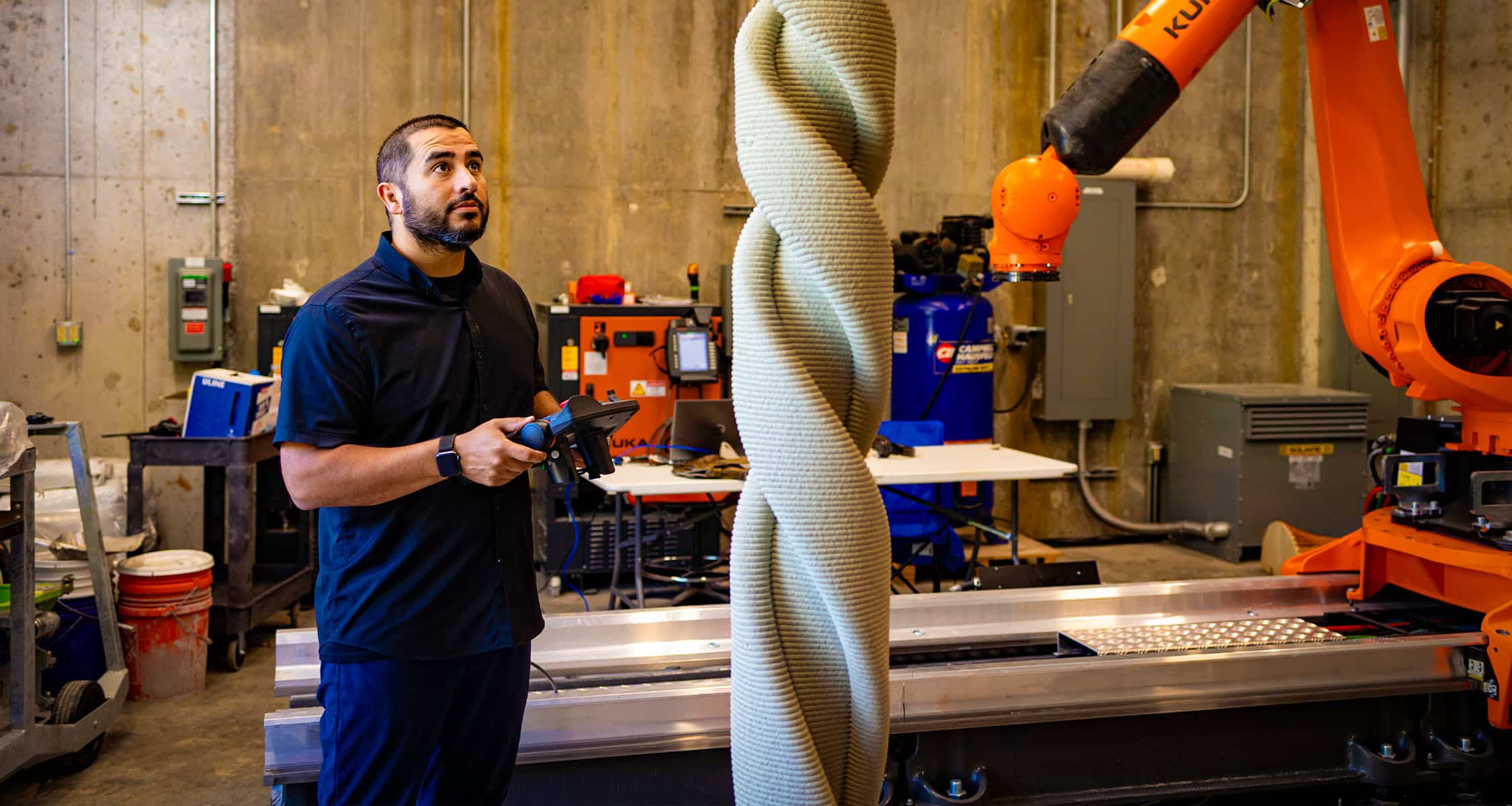
With two massive robot arms and a concrete 3D-printing nozzle, the new Concrete Hybrid Autonomous Manufacturing Platform (CHAMP) offers unique capabilities for architectural and engineering research.
-
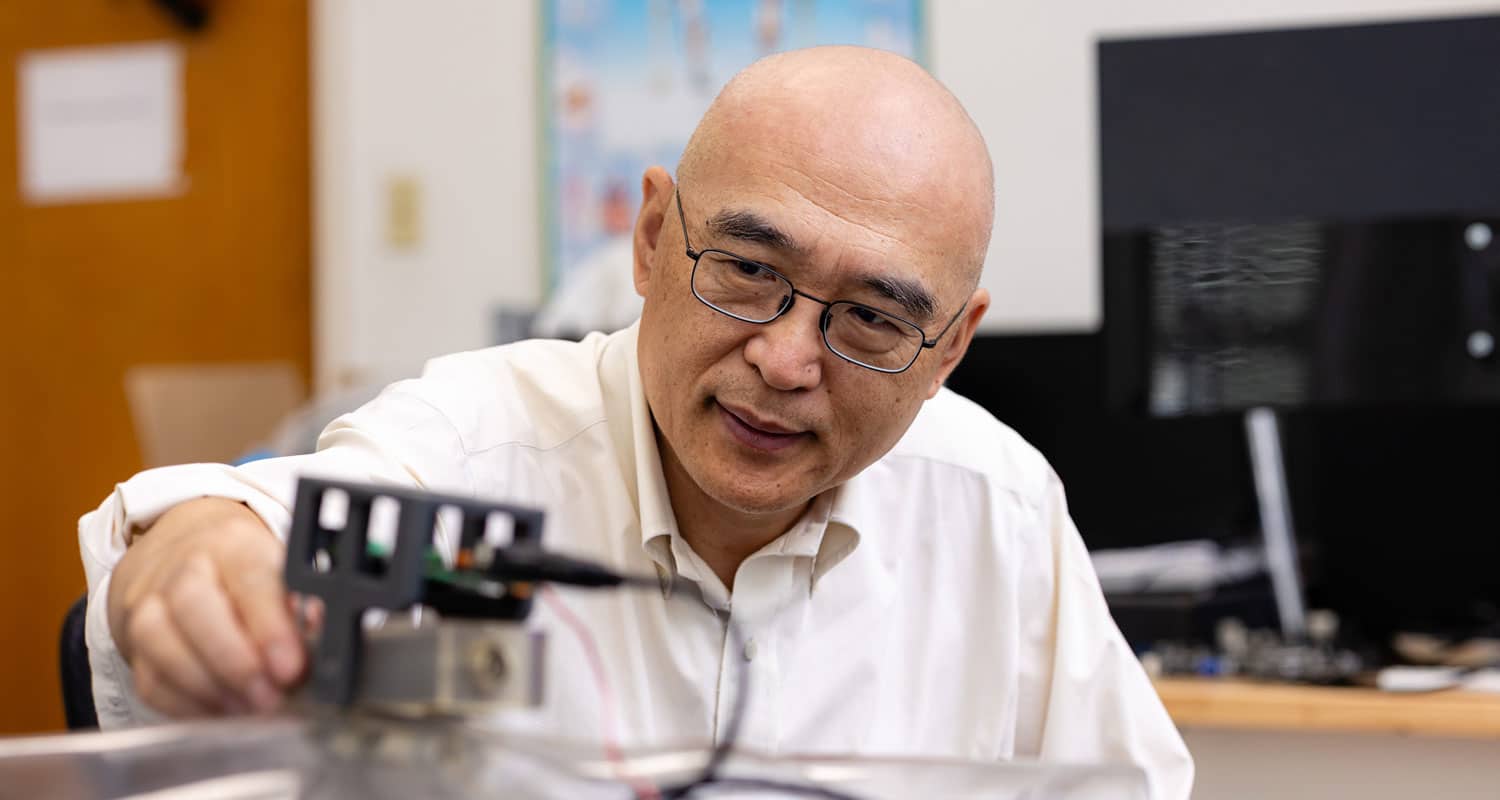
Surgical Image Control
BME Professor Jindong Tan is using a $1 million NSF grant to try and develop a fully insertable wireless robotic imaging device to be used during minimally invasive laparoscopic surgeries.
-
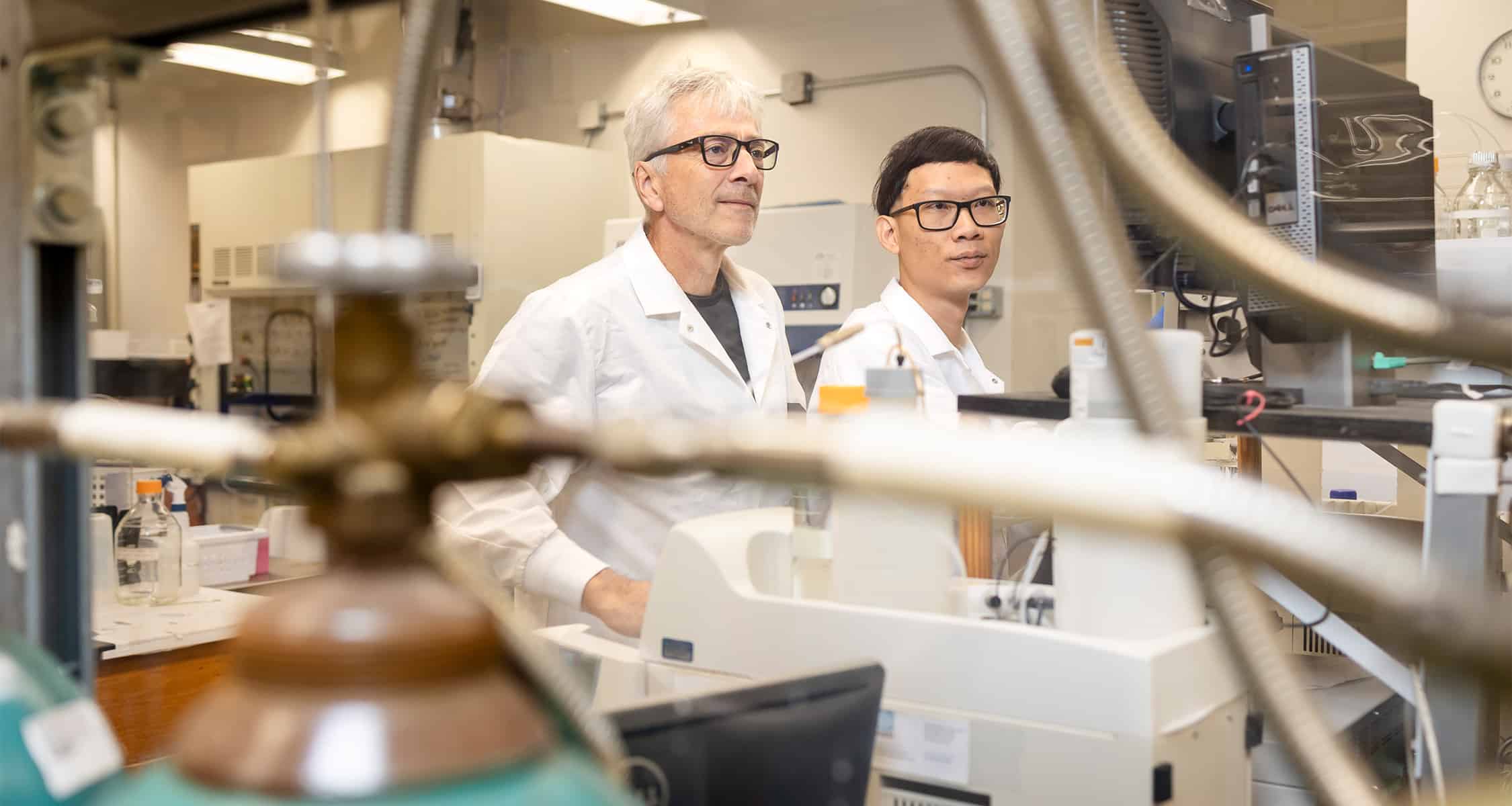
Loeffler, He Published in Nature
Guang He and Frank Loeffler discovered a protein family that microbes use to consume a potent greenhouse gas, and the results are gaining international attention.
-
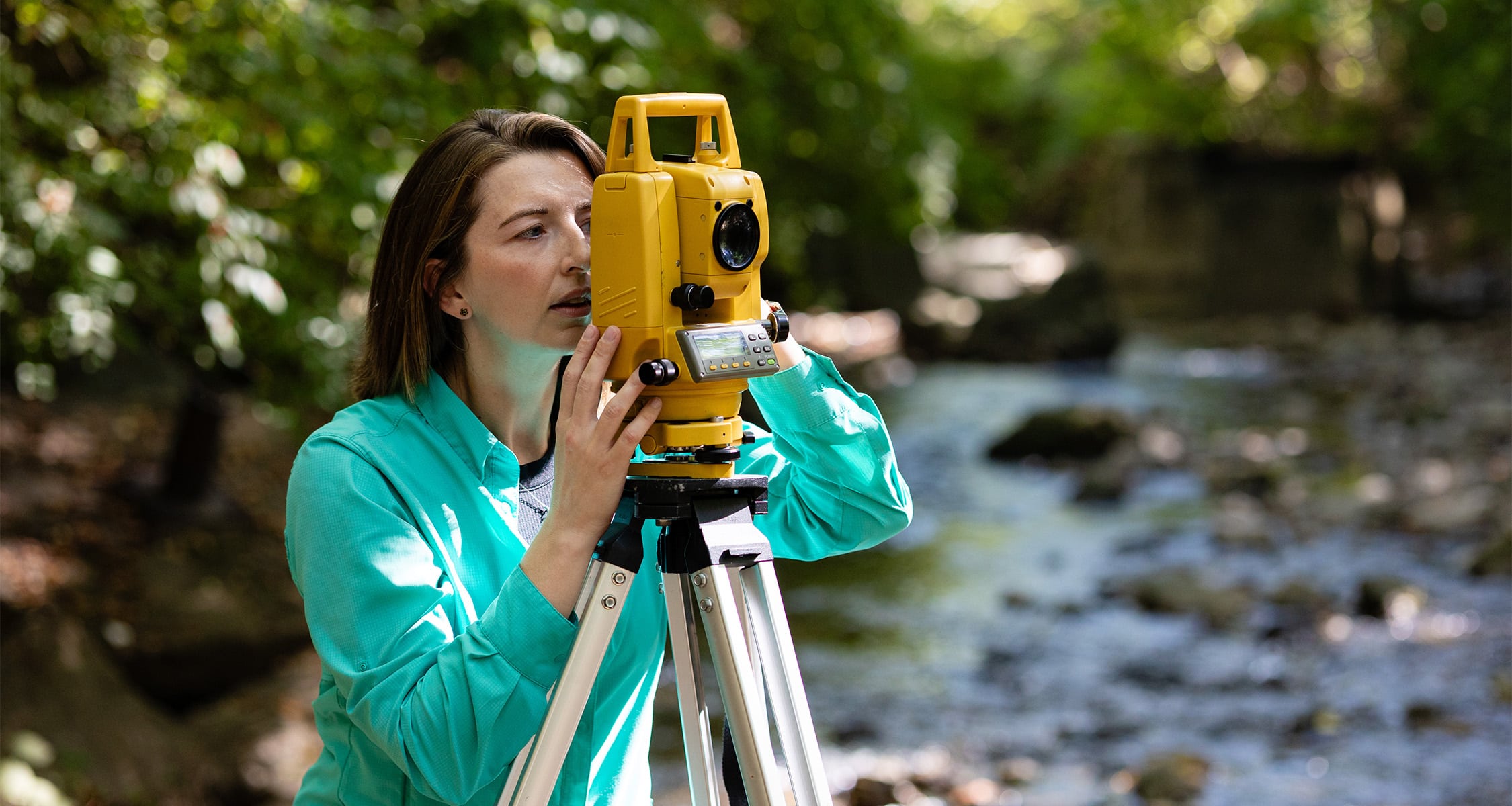
Parks Oliver Brings Industry Expertise to Watershed Mitigation
Ceara Parks Oliver is developing a restoration framework to aid engineers and scientists to improve watershed health.