
Featured
-
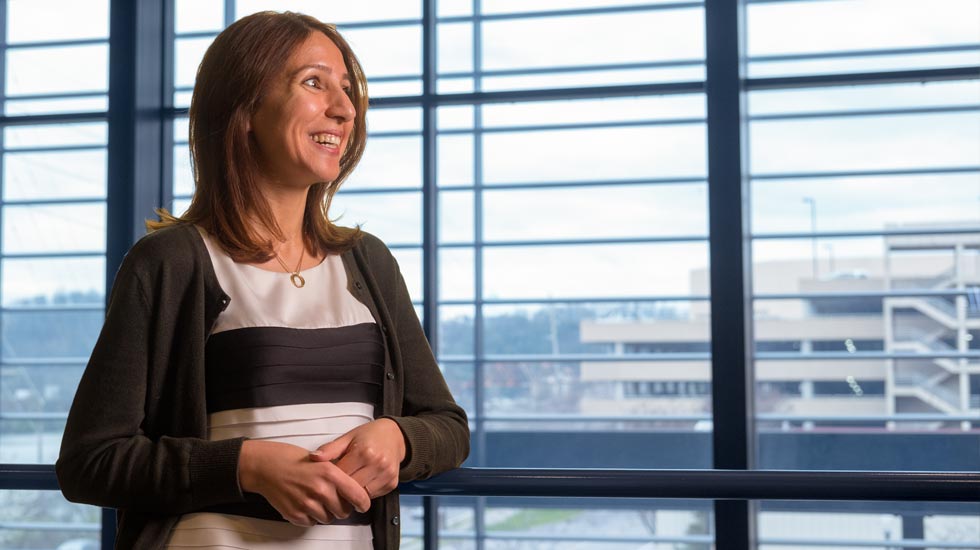
The Problem Solver
“Most algorithms stop once they make the prediction,” she said. “But we take it a step further than anyone else by looking at the practical implications of what it means to monitor a patient.”
-
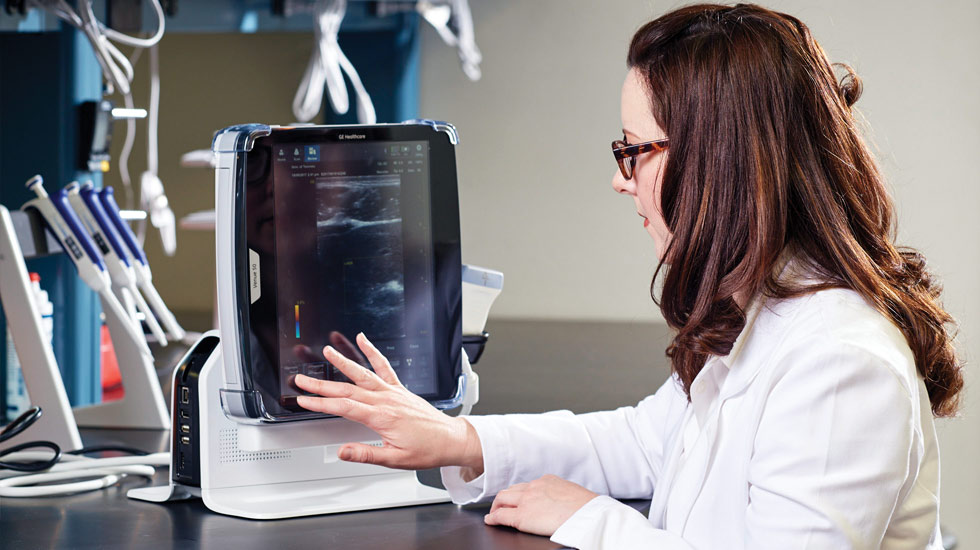
Delivering Results
“Undergraduate biomedical students will go four or five years without ever seeing a real body,” she shared. “I saw this synthetic cadaver and thought, ‘we need one of these.’”
-
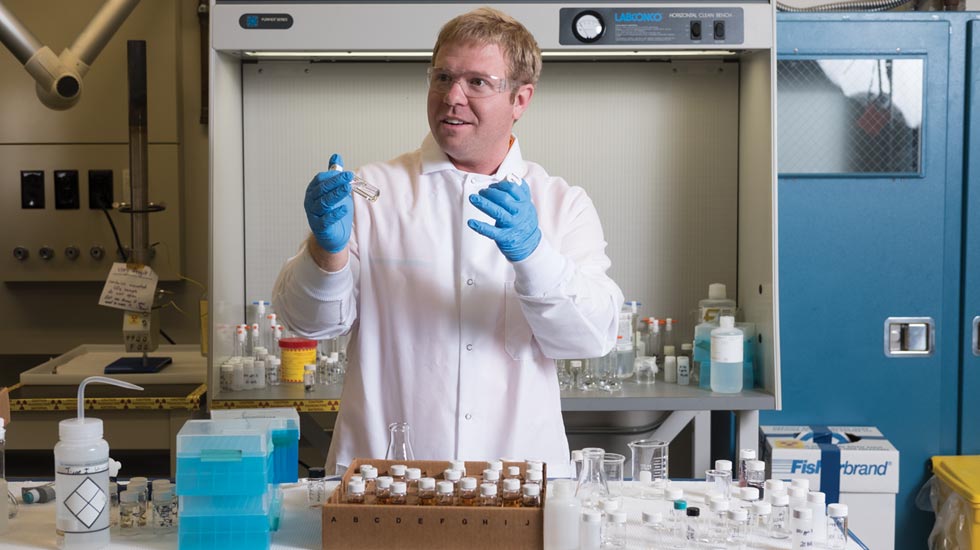
Before, During, and After the Bomb
“Our research is everything from the front and back end of nuclear forensics,” he explained, likening his research work to the popular television show CSI, short for crime scene investigation.
-
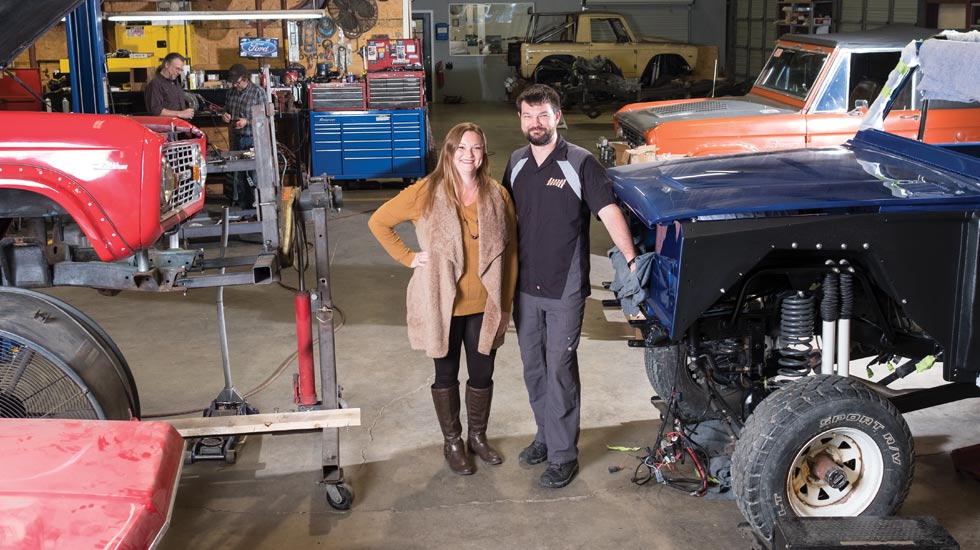
Made in America
Students worked with Krawlers Edge to develop a supply chain system using a lean manufacturing approach.
-
A Bridge to Success
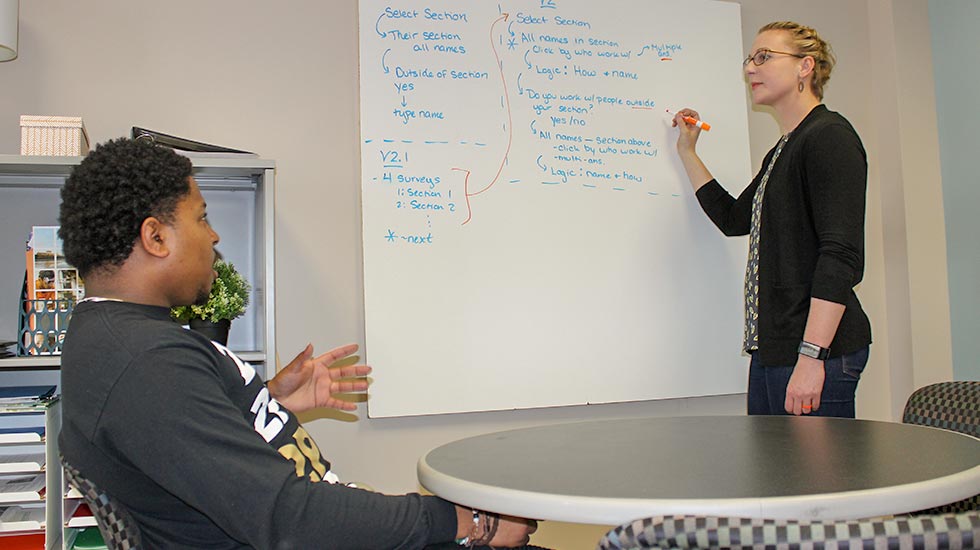
“We focus on the problem solving,” explained Faber, who teaches physics and engineering design to students in the Cook Grand Challenge Honors program. “We talk with them about whether the answer is reasonable and makes sense. There’s a lot of dialogue.”
-
The Robot that Learns
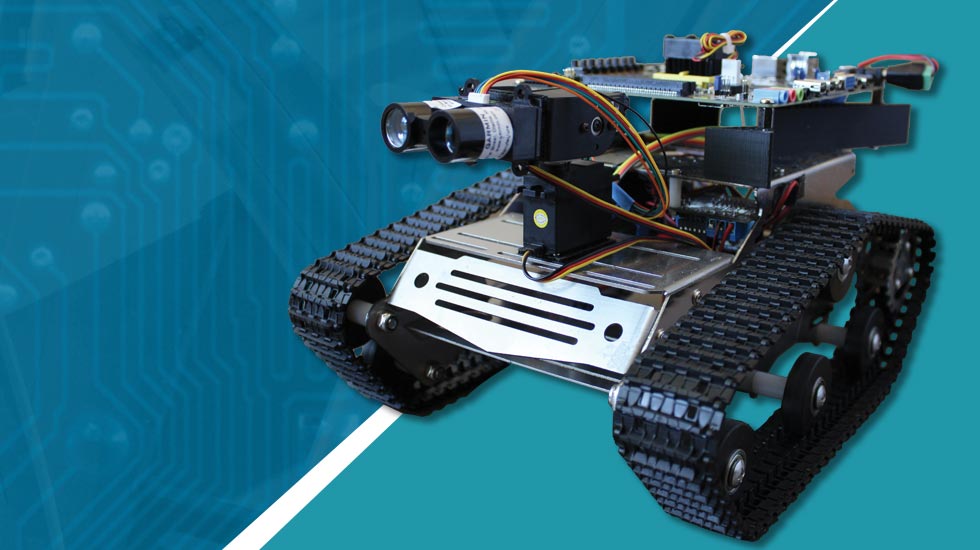
“We used Titan to run different scenarios through the brain, keeping the ones that worked and ‘killing off’ the ones that didn’t,” said Mitchell. “It’s the neuromorphic equivalent of survival of the fittest.”
-
A Systems Thinking Approach
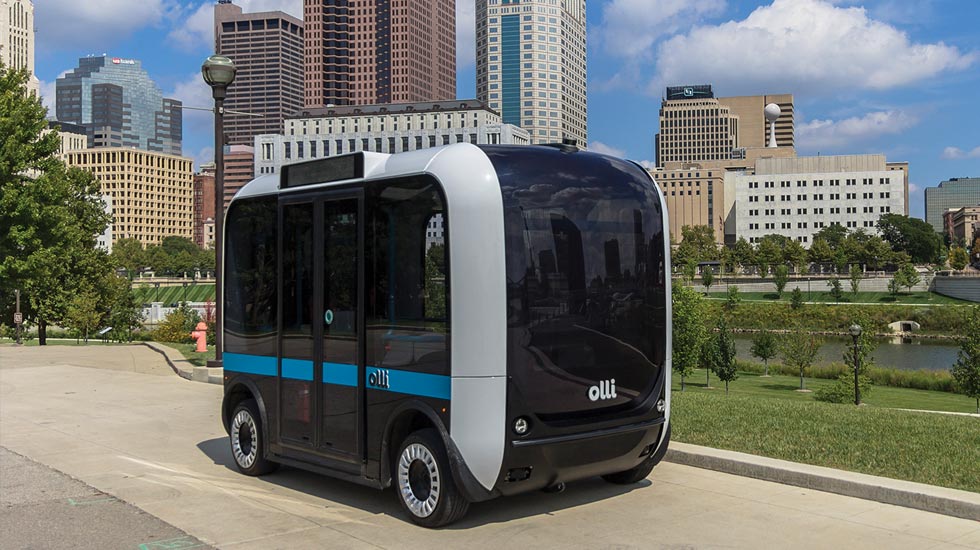
Frenando Blevins and the students in the Integrated Business and Engineering Program took on the challenge of designing a new kiosk for Olli, Local Motors’ self driving vehicle.
-
Rebel with a Cause
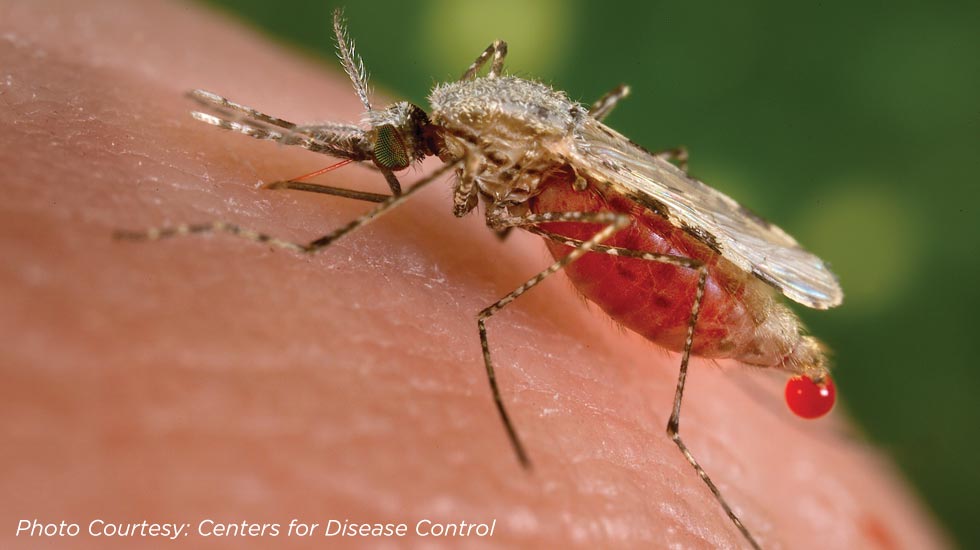
“At Notre Dame, my colleagues joked that I worked with every biologist on campus,” shared Emrich. “But what I see as unique about bioinformatics is that we are able to help solve many problems and have the ability to train students with diverse talents through many cool projects.”
-
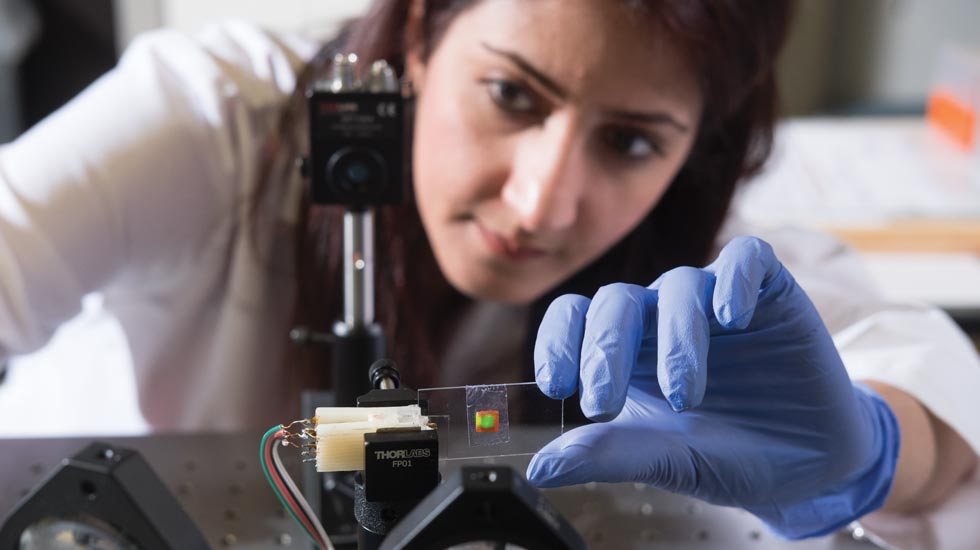
Crystal Clear
Mahshid Ahmadi is investigating a novel class of materials for multifunctional detectors, such as the dual gamma ray-neutron detectors used to detect high-energy radiations.
-
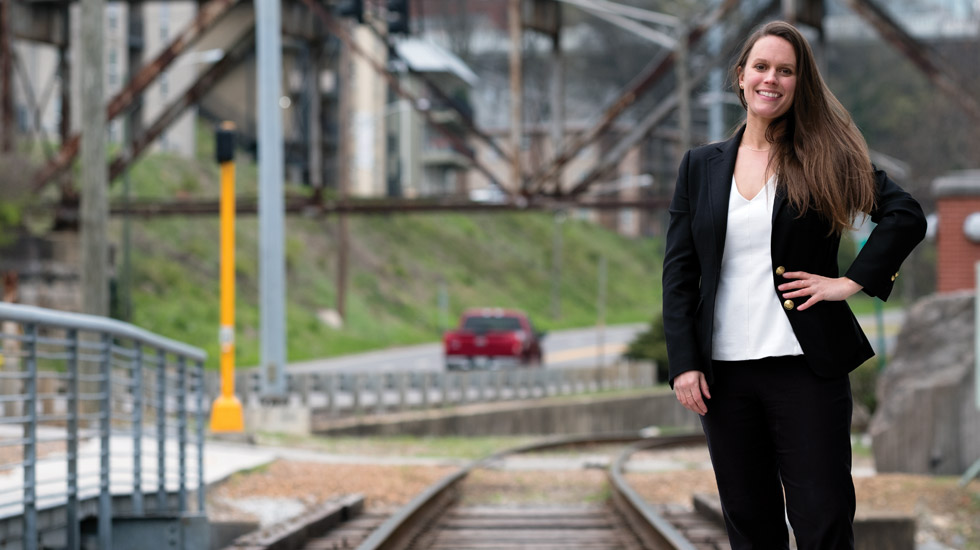
Going Places
“We need to be thinking towards the future,” she said. “As we become increasingly more reliant on our devices as we travel, we need to understand the implications for this on infrastructure.”