
Faculty
-

Trinh, Ryu Receive DOW Funding for Fungal Biotechnology Research
The Department of War awarded Professor Cong Trinh and Assistant Professor Seunghyun Ryu a grant for fungal gene expression research…
-

VisualizAI Helps Hospitals Recover Revenue
Professor Jian Huang’s startup, VisualizAI, helps healthcare organizations build institutional intelligence around insurance billing, recovering revenue to better serve patients.
-

Artificial Enhancements
From materials discovery to healthcare to agriculture, the Tickle Collge of Engineering is at the forefront of the AI revolution.
-

Penumadu Helps Inaugurate ORNL’s New Imaging Tool
Professor Dayakar Penumadu and his students visited ORNL to conduct the inaugural experiment on VENUS, which creates atomic-scale 3D models…
-

TCE Group Develops Novel Forecasting Model to Predict River Temperature
A collaborative research group within TCE has developed a novel forecasting model that delivers highly accurate river temperature predictions over…
-
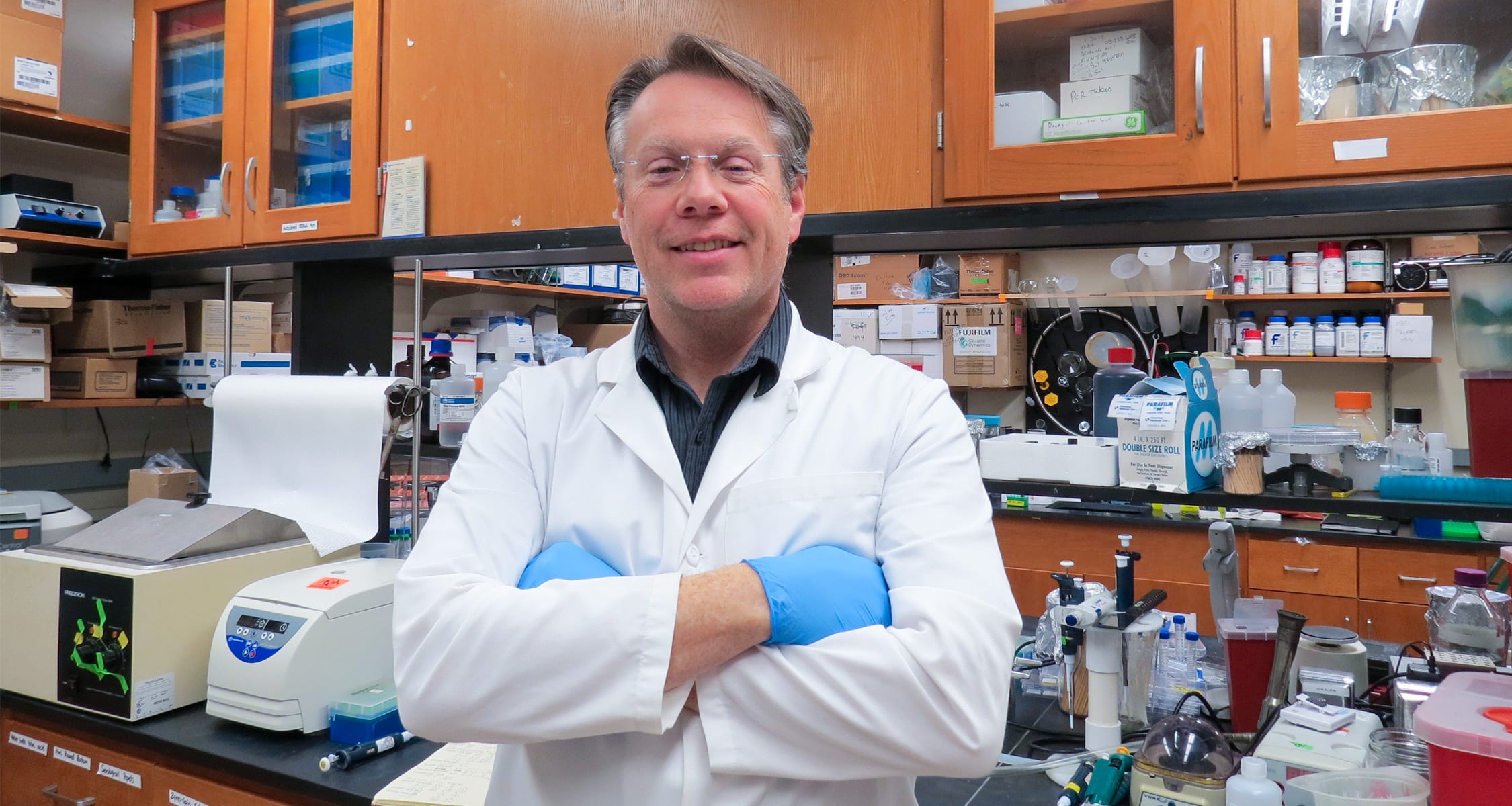
CLAMPS Holds Future of Neuroendocrine Research
Larry Millet’s team pioneered a way to grow independent magnocellular neurons for the first time, opening new avenues for research…
-
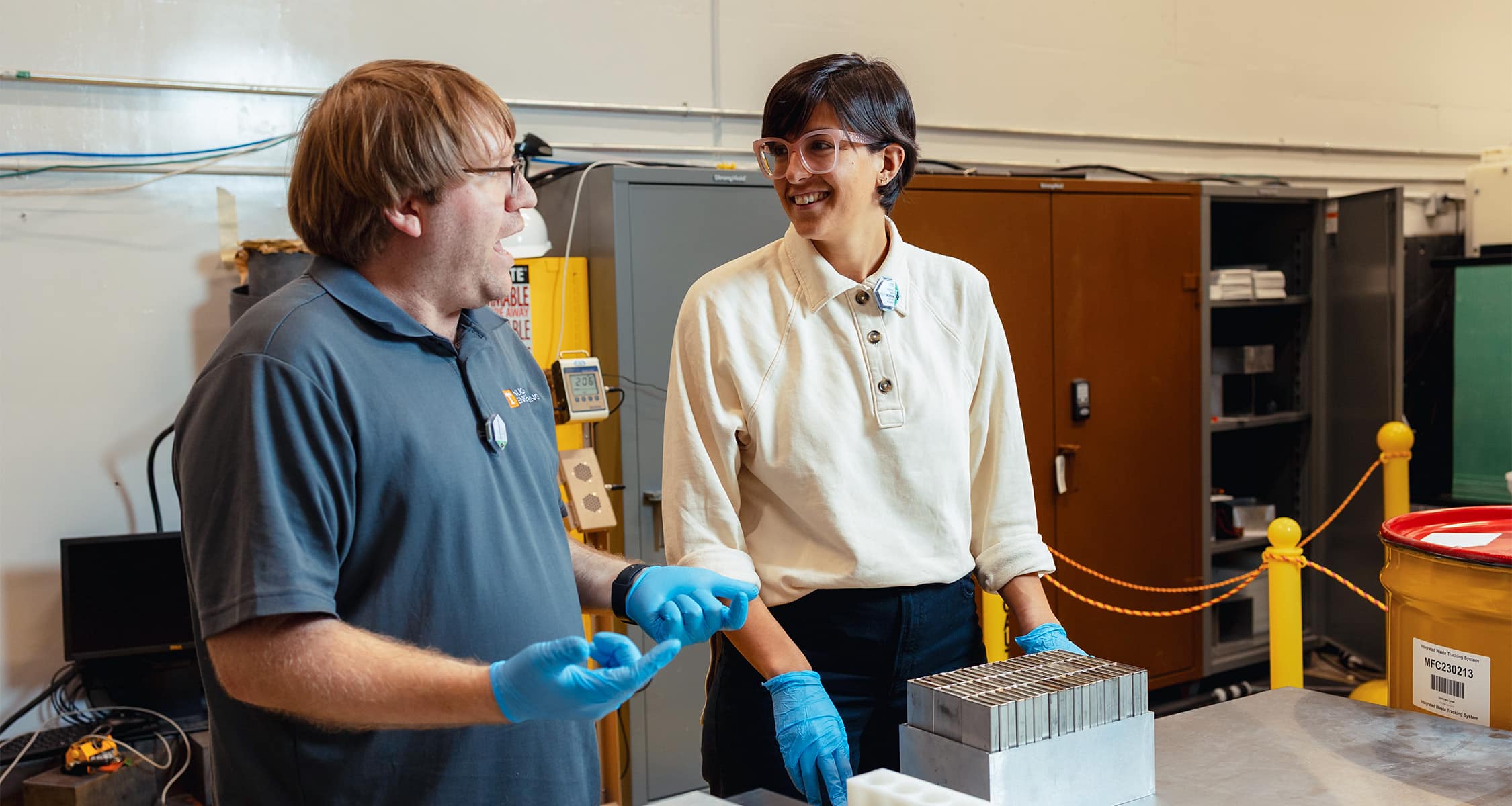
Mother and Mentor: Bogetic Embraces Both Roles
Assistant Professor Sandra Bogetic uses the skills she gained as a parent of two young daughters to help mentor her…
-
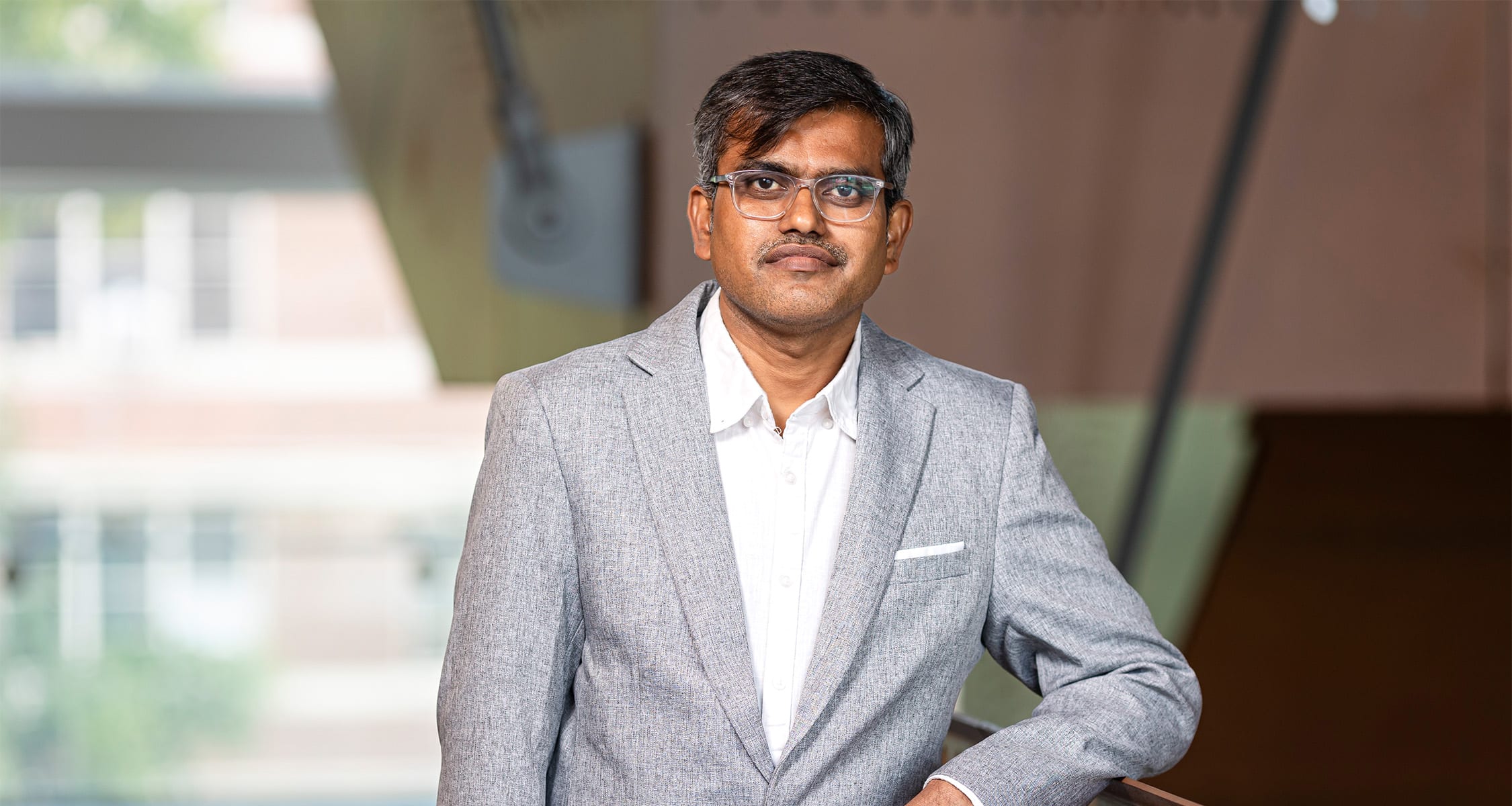
Bobba Receives Young Investigator Award for Prostate Cancer Research
Kondapa Naidu Bobba will receive the 2026 Young Investigator Award to advance important prostate cancer research.
-

UT Professors Collaborate to Study Magnetism of Bees
MSE Associate Professor Dustin Gilbert is involved in an interdisciplinary research project with his wife and another UT professor studying…
-
Bayati and Khattak Examine Rare but Lethal Pedestrian Crashes
Asad Khattak and Zeinab Bayati’s AI-enhanced research shows that rare crash scenarios, while harder to prevent, are disproportionately deadly to…