
underGraduate programs
Manufacturing Concentration
The manufacturing concentration in applied engineering prepares students to excel in the modern manufacturing environment through focused study in four core areas: the integration of automation technologies, advanced manufacturing processes, system-level design and control, and design for manufacturability. Students develop expertise to optimize production systems, implement intelligent automation solutions, and design products that are innovative and efficiently manufacturable, equipping them with the skills industry demands.
Featured Courses
APPE 201 – Computer Aided Design
Students develop foundational design skills using SolidWorks, working toward CSWA certification within their first year. The course emphasizes design for manufacturability, teaching students to create practical designs that can be efficiently produced. Students learn industry-standard practices for technical drawings, geometric dimensioning and tolerancing (GD&T), and complex assembly design. Through hands-on projects, students gain proficiency in translating design concepts into manufacturable components while understanding how design decisions impact production processes.
APPE 206 – Manufacturing Equipment Laboratory
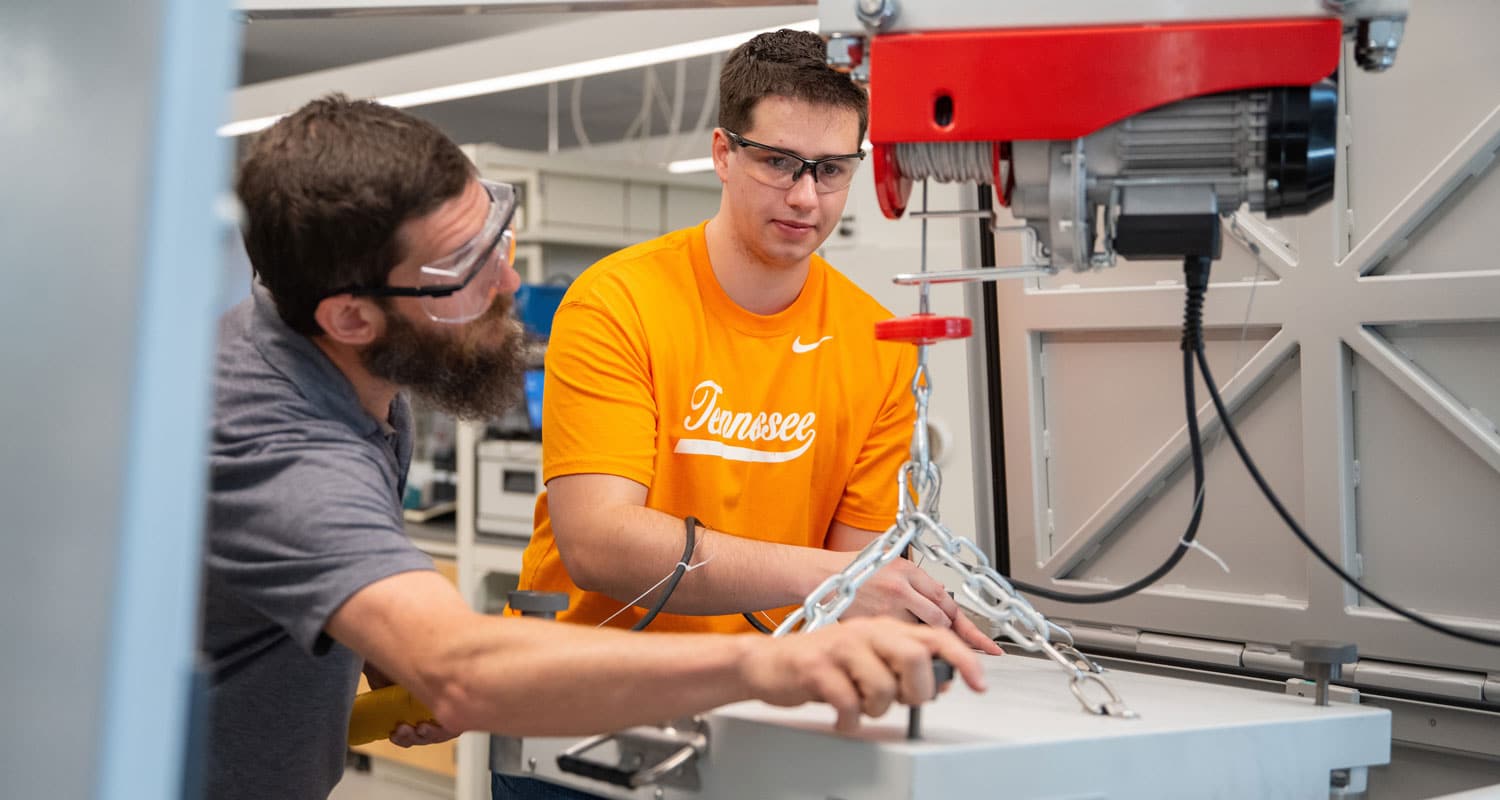
Students engage directly with industrial machinery to understand how equipment and processes function at a fundamental level. Through hands-on interaction with real-world systems and data collection using industrial sensors, students explore the structural principles and dynamics that govern manufacturing operations. Students learn to optimize toolpath planning in Mastercam using experimental data, building intuitive knowledge of how physical systems work and developing a foundation for understanding industrial processes.
APPE 306 – Manufacturing Automation
Students develop practical automation solutions by programming industrial PLCs using various programming styles and integrating sensors with 6-axis KUKA robots. Through hands-on work with real-life automation challenges, students apply their design skills to create functional solutions for manufacturing systems. The course emphasizes problem-solving in industrial contexts, teaching students to bridge the gap between automation hardware and practical production needs while building proficiency with industry-standard robotics and control systems.
AET 305 – Applied Manufacturing Controls
Students learn to design and optimize automation solutions by mastering control system fundamentals including PID tuning, root locus analysis, and motor controls. Through practical application to assembly lines and manufacturing systems, students explore system dynamics and develop control strategies that address industrial challenges. The course emphasizes hands-on implementation, teaching students to analyze system behavior and tune control parameters to achieve reliable, efficient automated manufacturing processes.
Resources
Students master design techniques and gain expertise with industry-standard manufacturing equipment, including CNC machines, Coordinate Measuring Machines (CMM), robotics systems, and Programmable Logic Controllers (PLC) to tackle rigorous real-world problems. Coursework incorporates globally recognized industry software such as Mastercam, SolidWorks, Rockwell Studio 5000, and ZEISS Calypso, ensuring graduates are proficient in the tools used by manufacturers worldwide. These capabilities are developed through access to several on-campus facilities, including:
- Applied Engineering Automation Lab
- Applied Engineering Design Lab
- Kao Innovation and Collaboration Studio
Career Outlook
The concentration in manufacturing prepares graduates for careers in Tennessee’s rapidly expanding advanced manufacturing sector, with particular focus on companies designing and fabricating critical components for nuclear applications, industrial automation systems, and advanced control technologies. Students are equipped to work on the integration of multi-technological manufacturing cells and contribute to the overall improvement and development of the state’s advanced manufacturing capabilities. Industry partners and target employers include:
- Tennessee Valley Authority (TVA)
- BWXT
- Y-12 National Security Complex
- Bridgestone
- BMW
- Denso
- Nissan
- Volkswagen
Through strategic partnerships with these and other innovative manufacturers, the program contributes directly to Tennessee’s leadership in advanced manufacturing, preparing graduates to drive technological advancement in critical industrial sectors.

Join Us on Rocky Top
Apply to UT
Interested in learning more about becoming an Engineering Vol? Want to learn about the college’s admission requirements for new students? Use the links below to learn more about how to join our Volunteer community!