
Facilities
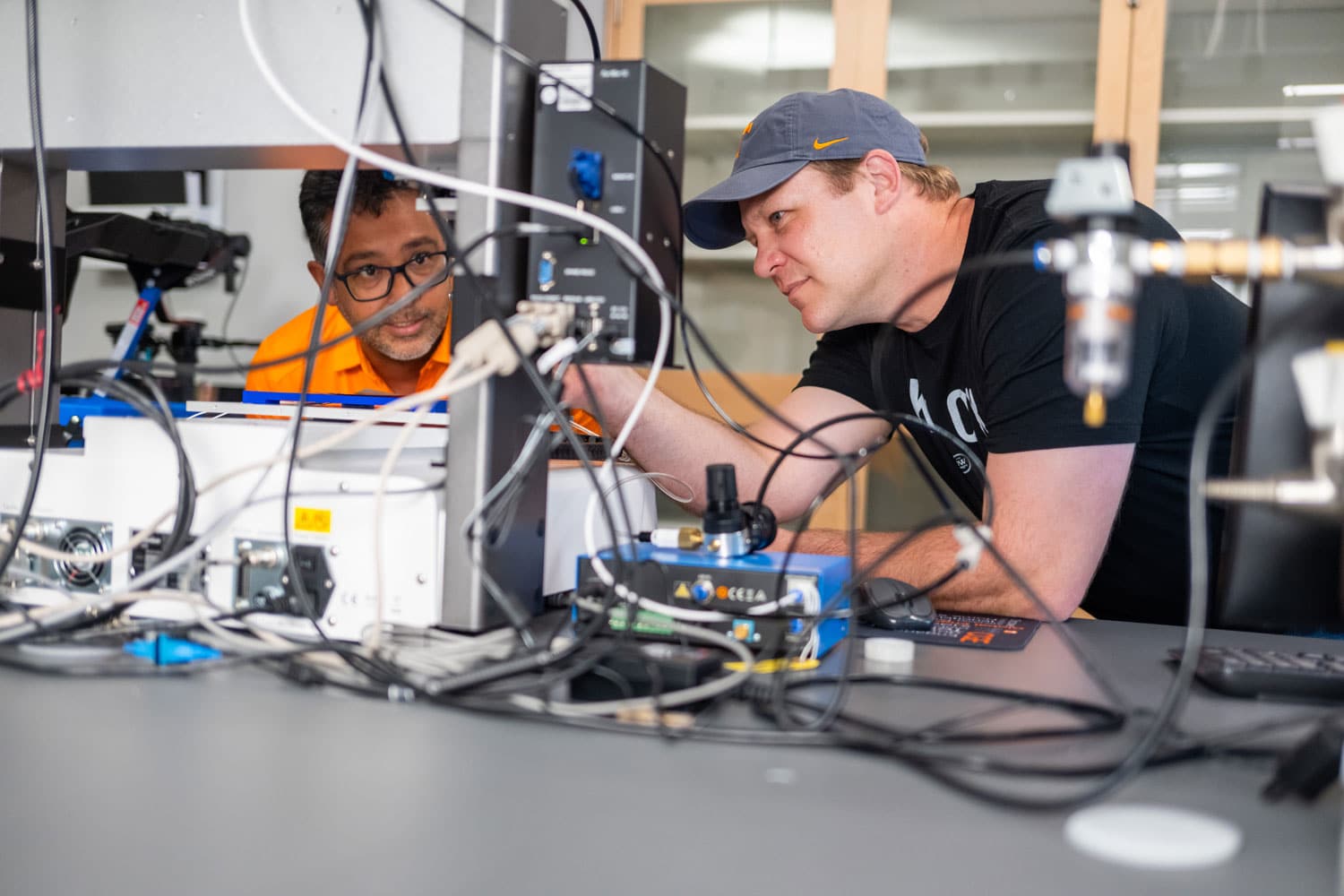
Our students will have access to state-of-the-art facilities, working with the same equipment they will be use with when they enter the workforce. Our classrooms are designed for flexibility to cater for both traditional lectures and hands-on interactive learning. Similarly, labs will be equipped to be multipurpose, capable of supporting a diverse range of hands-on instructional and project needs.
Explore some of our facilities below which feature advanced research labs, collaborative workspaces, and smart classrooms designed to foster industry collaboration, innovation, and creativity.
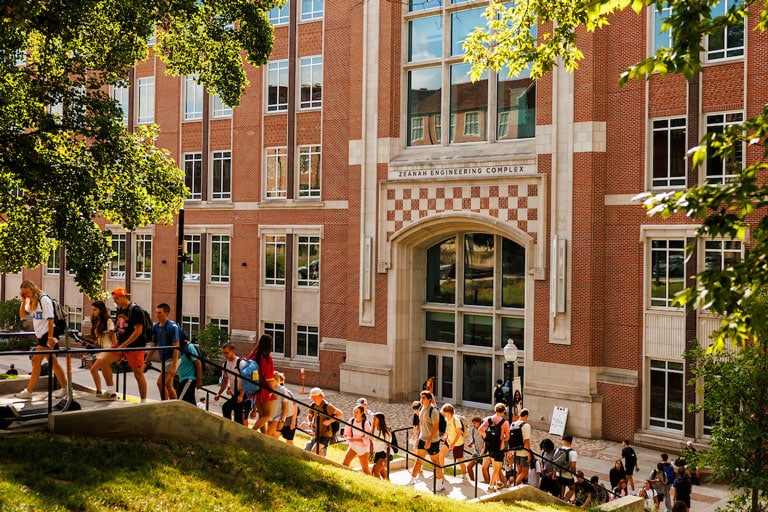
Zeanah Engineering Complex
As the largest enigneering building on the university’s campus, the Zeanah Engineering Complex is home to integral parts of the applied engineering program. With flexible research laboratories and the latest technologies, this space is where our students will spend time refining skills they’ll use for the rest of their lives.
Work areas include the First Year Design Studio and the Min H. Kao Innovation and Collaboration Studio, a makerspace where students can turn their ideas into realities. Manufacturing students will have access to additive manufacturing labs where they can create with plastics, metals, and ceramics, as well as a soft materials shop to experiment with composites. Other maker spaces include electronics stations and welding and tool shops.
Although the applied engineering program focuses on physical creation first, theoretical knowledge will be provided in innovative classrooms that are laid out with engaged instruction and interactivity in mind.
Kao Innovation and Collaboration Studio
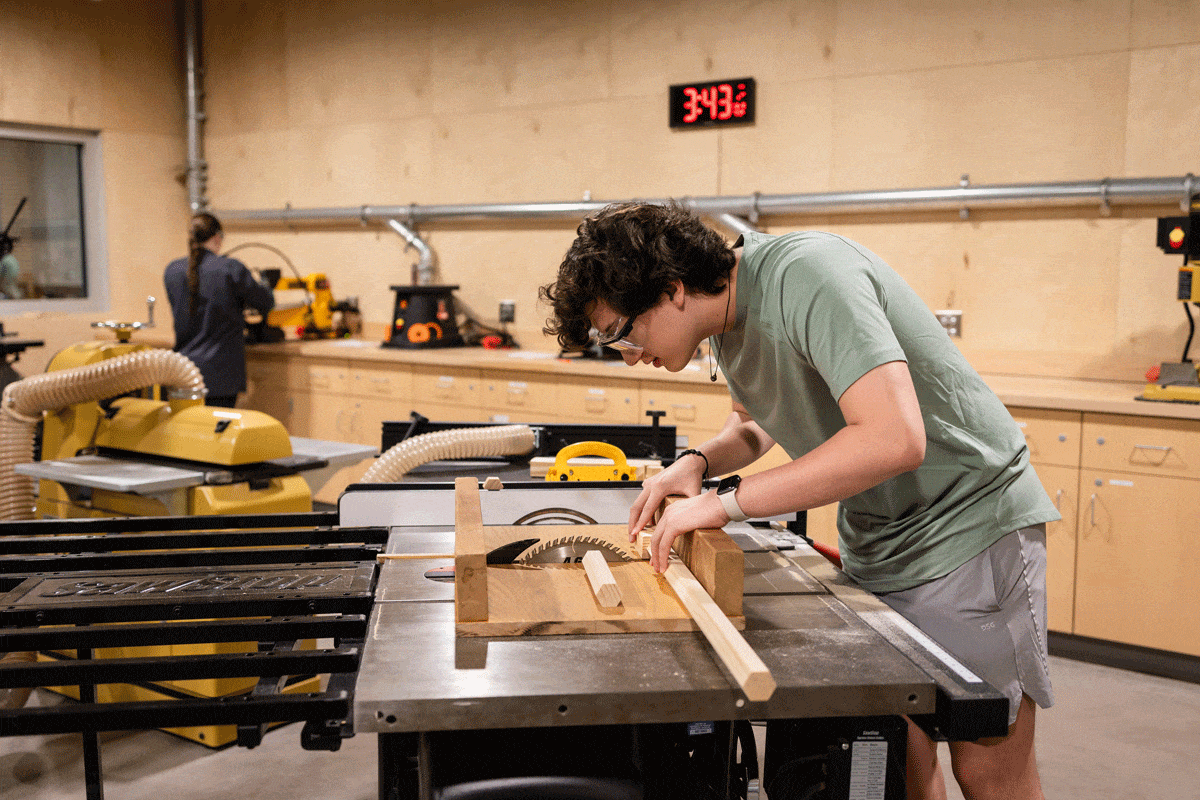
The Kao ICS provides students with resources, like technology, tools, and knowledge to turn ideas into reality. Located in the ground level of the Zeanah Engineering Complex, this studio is a space where applied engineering students gain, refine, and continuously improve their practical skills.
Every engineering student has access to the Kao ICS and the tools and materials within it. Some of the machines you will find in this space include 3D printers, a laser cutter, additive manufacturing equipment, waterjet room, and more.

Institute for Advanced Materials and Manufacturing
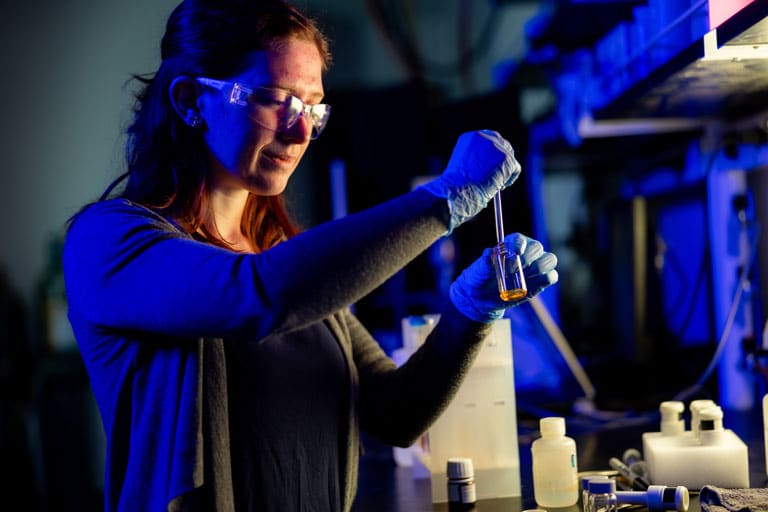
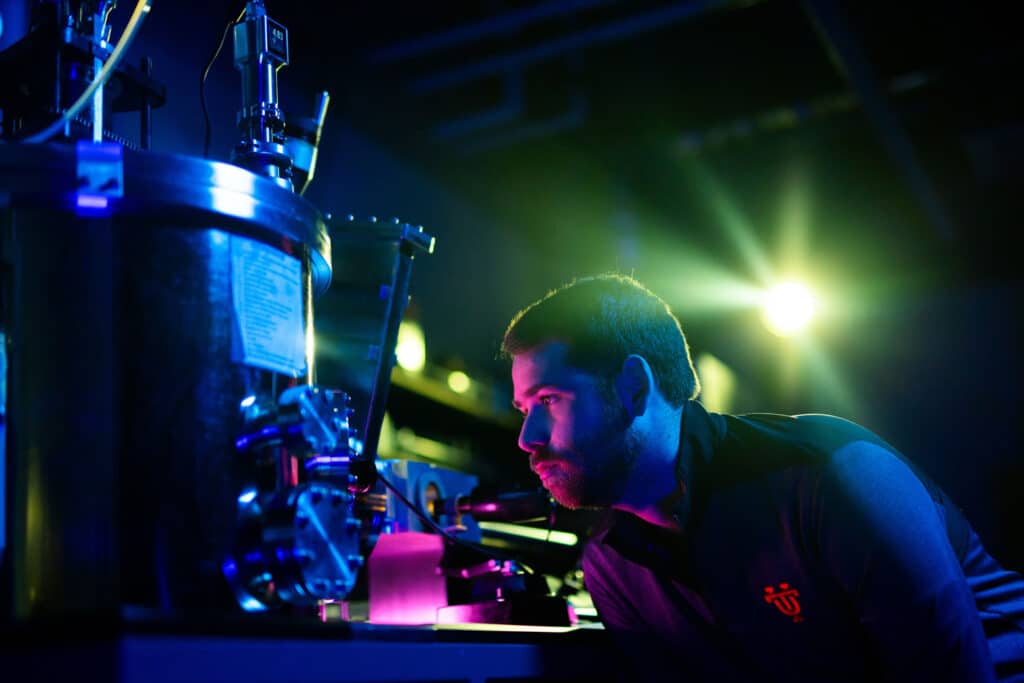
The Institute for Advanced Materials and Manufacturing (IAMM) allows students to translate their new knowledge into solutions. Their facilities have leading-edge technologies, providing students with opportunities to practice new skills, continue to learn, and gain counsel from experts.
Some of the specialized equipment students could work with at IAMM include industrial 3D printers, 3D scanners, lathe, and other machining tools.
Innovation South
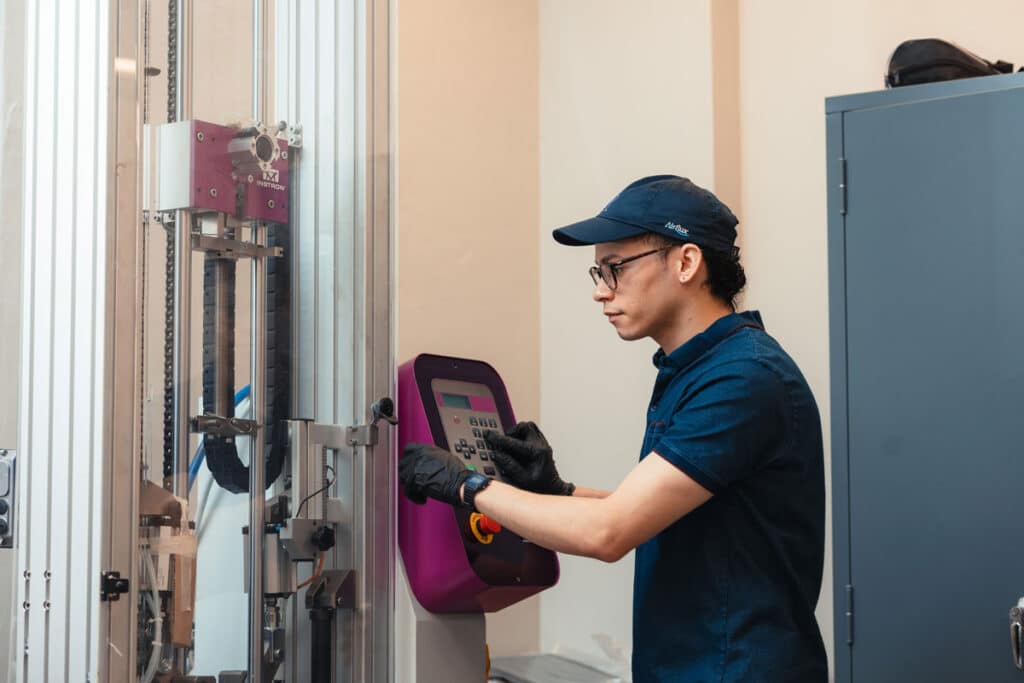
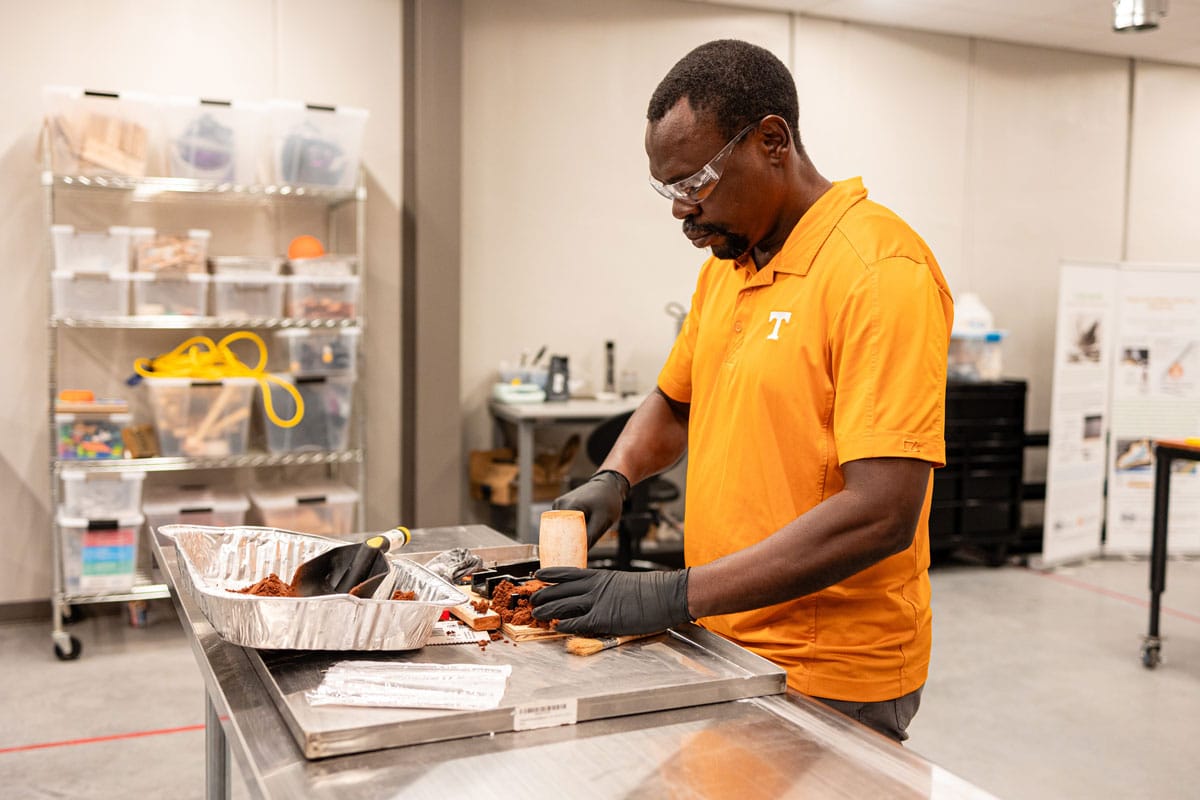
Innovation South is a dynamic workspace where manufacturing development and workforce training take place. With a 40,000-square-foot high bay and lab space, students have the opportunity to test sustainable materials for advanced manufacturing. This space is part of a unique public-private partnership where students will work side-by-side with industry collaborators, forging key relationships that will benefit them throughout their career.
The Innovation South space has world-class equipment that provides researchers and students with the ability to manufacture and test materials. Some of the machines available to use include multi-axis freeform robotic machinery, Extrusion Plasticator, and CNC Router.
TN-MADE
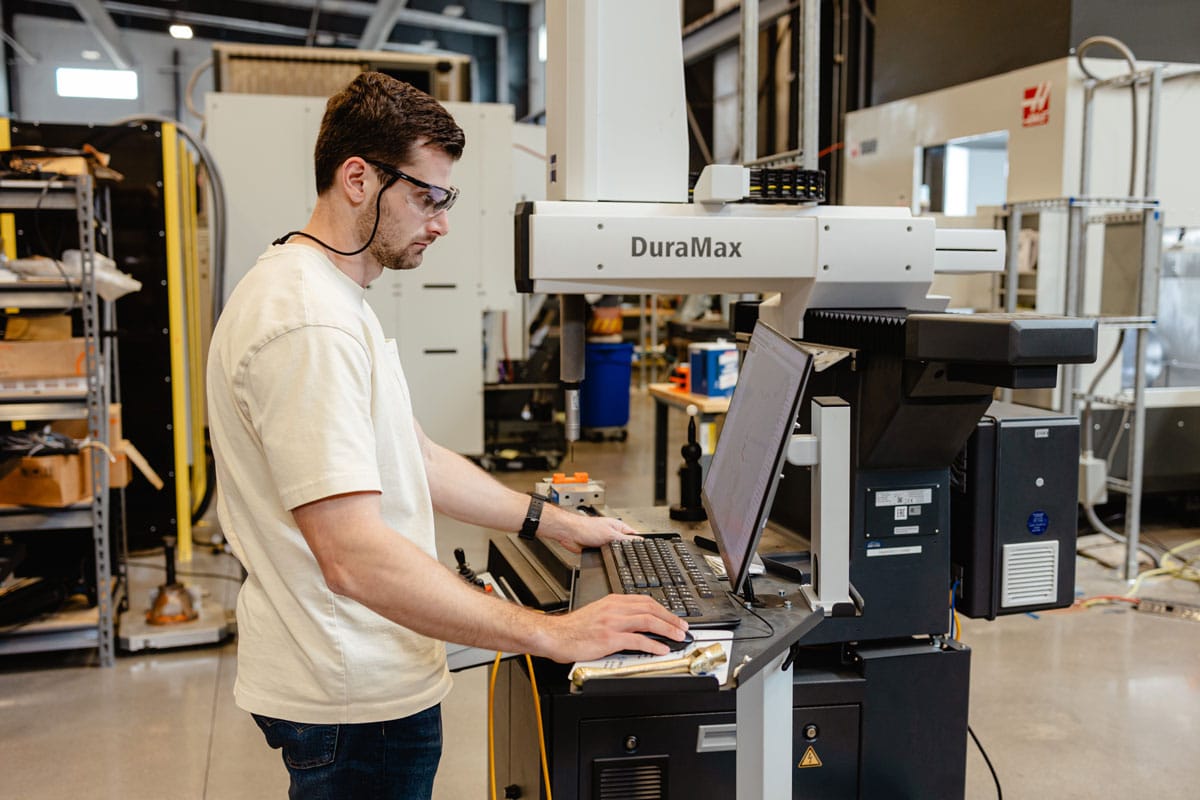
The Tennessee Manufacturing and Design Enterprise (TN-MADE) facility provides students with opportunities to advance hybrid manufacturing processes. The 48,000-square-foot high bay research space houses several machines and tools integral to the applied learning part of our program, including a displacement measuring interferometer and CNC machines.

UT Space Institute
Students who choose an aerospace concentration will have access to the UT Space Institute (UTSI). They generate solutions, technologies, and systems to meet the nation’s aerospace and defense needs, providing students with the knowledge, practical skills, and connections needed to thrive in the aerospace sector.
UTSI is home to several experimental aerospace testing platforms, including wind tunnels, fluid dynamics equipment, and Ludwieg tubes. The 80,000-square-feet of laboratories expand research opportunities for students and provide them with unmatched capabilities.

